I started this website to bring more attention to Pacific Northwest writers and writing, but my definition of what it means to “write the Northwest” is expanding. I recently wrote about how effectively the cinematography in the movie “Train Dreams” captured the Northwest landscape, and later this year I plan to write about the first full staging of a play based on Brian Doyle’s beloved Northwest novel Mink River.
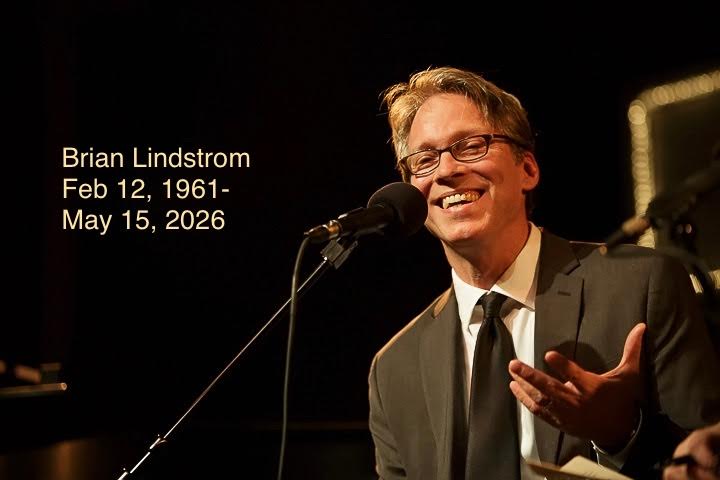
Today, though, I want to focus on the underappreciated documentarian Brian Lindstrom, who died on Friday, May 15, at 65, after a months-long battle with Progressive Supranuclear Palsy, a rare neurological disorder. Brian, who was a friend of mine, was that rare filmmaker who eschewed Hollywood to focus, as he put it, on the people “society puts an X through.” He used his skills and his films to remove that X – and he did it right here in the Northwest.
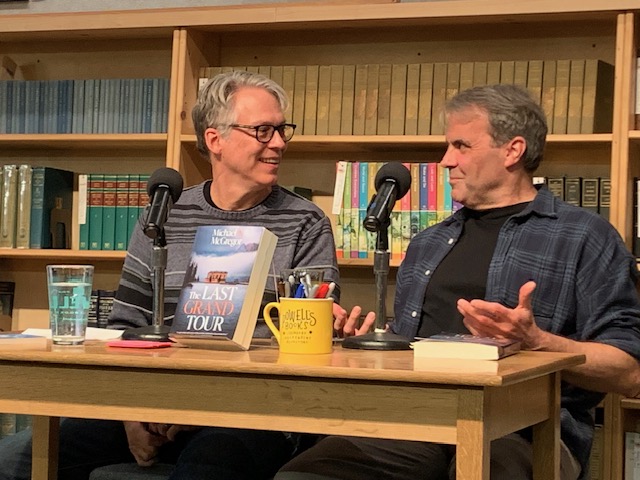
As I wrote in a Facebook post the day he died, “Brian was the kind of artist and human being I admire above all. He made documentaries about the mentally ill, addicts, at-risk youth, and a promising singer who failed to make it big. Despite his great talent, he didn’t worry about becoming a commercial success. He was interested in learning and telling the stories of the overlooked and forgotten. And he did so with such sensitivity and insight, the ACLU of Oregon awarded him its Civil Liberties Award.”
Brian’s last and most commercial film was “Lost Angel: The Genius of Judee Sill” (2022), which you can rent and watch on Prime Video. It’s about a singer-songwriter who was as talented as other up-and-coming artists of her time, such as James Taylor or Joni Mitchell, but faltered along the way. (For a taste of her ability, listen to her haunting love song “The Kiss.”)

“Lost Angel” is a wonderful documentary–and you should definitely rent and watch it–but it’s the shorter films that preceded it I want to talk about today. You won’t find most of them on Prime Video or Netflix or any other commercial streamer, but they’ve been shown in dozens of film festivals and in classrooms, community centers, and even sheriff’s offices. They were made to bring attention not to themselves or the man who made them but to struggling people in our society who are unfairly ignored.
I read this week that Brian’s favorite among his own films was “Mothering Inside” (2015). It’s a intimate, sensitive, 30-minute cinéma vérité documentary about the Family Preservation Project (FPP) at Oregon’s Coffee Creek Women’s Prison. The FPP made it possible for incarcerated mothers to have time with their children and build bonds that gave everyone involved a feeling of hope and love.
When funding for the FPP was threatened, Brian went beyond filmmaking to advocate for it, and his work, both on film and off, resulted in a letter-writing campaign that gave it new life. You can watch it for free here. Be sure to stick around to the end to watch an interview with Brian and two women involved with the program.
Brian was raised in Portland by a single mother, with help from his grandparents. After attending Parkrose High School, he financed his studies at Lewis & Clark College through a combination of loans, work-study jobs, and summer work at an Alaskan cannery. He was the first person in his family to go to college.
In a tribute to Brian on Oregon ArtsWatch, Brian Libby writes, “A screening in (Lewis & Clark professor Stuart) Kaplan’s class of Harvest of Shame, Edward R. Murrow’s 1960 TV documentary about the plight of American migrant farmworkers, became an epiphany — that Lindstrom, too, wanted to make ‘documentaries that could bring about social change.’ Kaplan even gave Lindstrom a gift certificate for a class at the Portland Art Museum’s Northwest Film Center (now PAM CUT), where Lindstrom enrolled in a documentary class and made his first film, a documentary about his grandfather.”
Brian went on to earn an MFA in Film at Columbia University in New York before returning to Portland to teach at the Northwest Film Center. He had made a number of shorts at that point, including an adaptation of a Charles Baxter short story and a profile of a legendary schoolyard basketball player while in New York. But it was the work he did after returning to Oregon that showed his true heart and interest.

While at the NFC, Brian said, he put cameras “in the hands of kids on probation, homeless teens, newly recovering addicts, hard-hit people who had hard-hitting stories to share…Those projects taught me so much about the transformative power of art, and they gave me permission I felt in my personal films to ask people if I might follow them, so that an audience could better understand what they were going through, and by extension, better understand themselves.”
In making his own films, Brian continued to focus on the kinds of people he handed those cameras to.
His 2007 film “Finding Normal” is a compassionate and heart-rending look at a program at Central City Concern’s Hooper Detoxification Stabilization Center in Portland that paired drug addicts after release from prison or detox centers with recovery mentors who helped them try to build new lives.
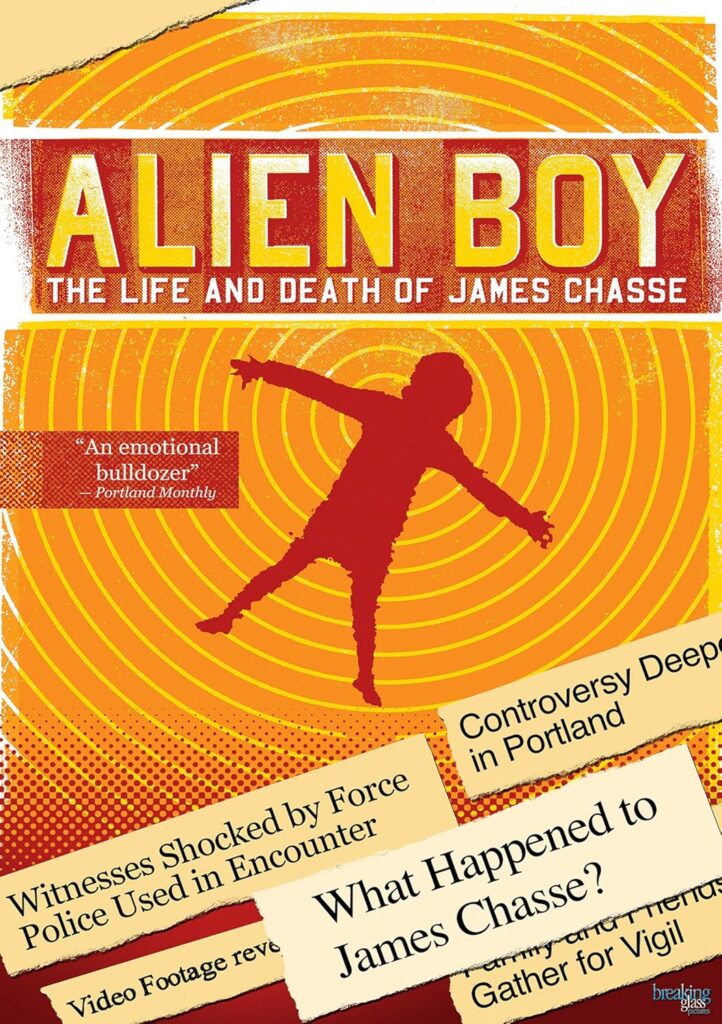
His 2013 film “Alien Boy: The Life and Death of James Chasse,” shines a strong, compassionate light on the struggles of a schizophrenic who died in the custody of Portland police. (Available for rent on Prime Video.)
His 2019 four-minute short, “I Am Not Untouchable. I Just Have My Period,” (made for the New York Times in collaboration with his wife, the celebrated author Cheryl Strayed), explores the social trauma of teen girls dealing with menstruation in Surkhet, Nepal. (You can watch it here.)
In talking about his films to Oregon ArtsWatch, Brian described them as “a chance to kind of focus on the question: What does it mean to be human? The person that the film is about, what can they teach us, what can we learn from them? What can they learn from themselves?”
It is not only Brian’s films but also his life that shows us what it means to be human. In the dozens of tributes to him since his death, friends and associates have almost invariably described him as kind, compassionate, and helpful. His focus in his films on the least fortunate among us was an outgrowth of who he was and how he saw the world. Especially his beloved Northwest.
As I wrote in my own Facebook tribute, he showed us “how to invest our time on this planet. How to care about others, near and far, remembered and forgotten.”
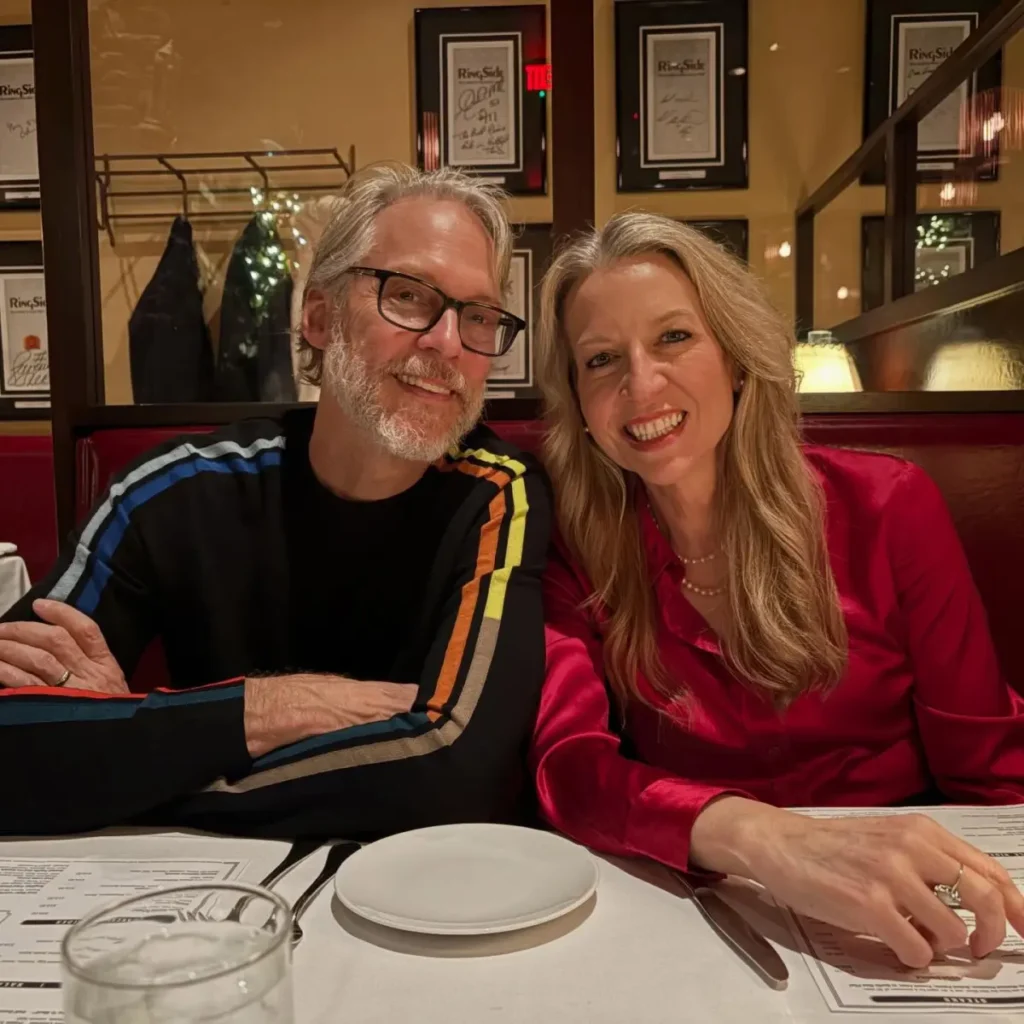
Brian is survived by his wife, Cheryl Strayed, and their two children, Carver and Bobbi.
Other links:
Cheryl Strayed’s Deeply Moving Announcement of Brian’s death on Instagram
Brian’s must-watch TED talk, “Grit and Grace”
Brian Lindstrom Wikipedia page (with a list of his films)
Long, beautiful, and informative tribute to Brian on Oregon ArtsWatch
Many thanks for this beautiful tribute! I’m grateful for this insight into Brian Lindstrom’s life and work. I plan to see all of the films you highlight here.
Thank you, Joanne. I’m sure you’ll find them illuminating and valuable.