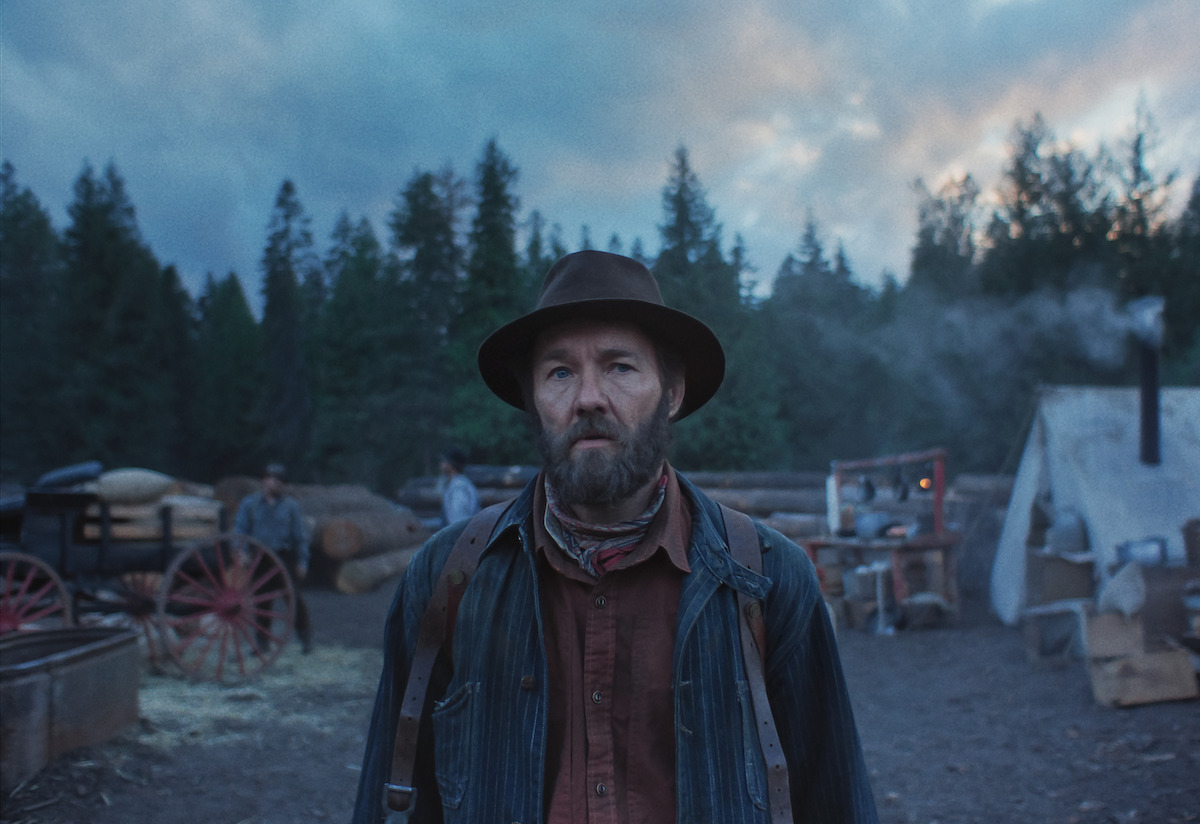
Although it didn’t win the cinematography Oscar, “Train Dreams” is, hands down, my choice for the best-filmed movie set in the Pacific Northwest. Not just this year but ever. The heart of the film may be its theme of endurance despite loss or the dignity of work and an ordinary life, but what I appreciate most is how it captures the breathtaking beauty of the Northwest.
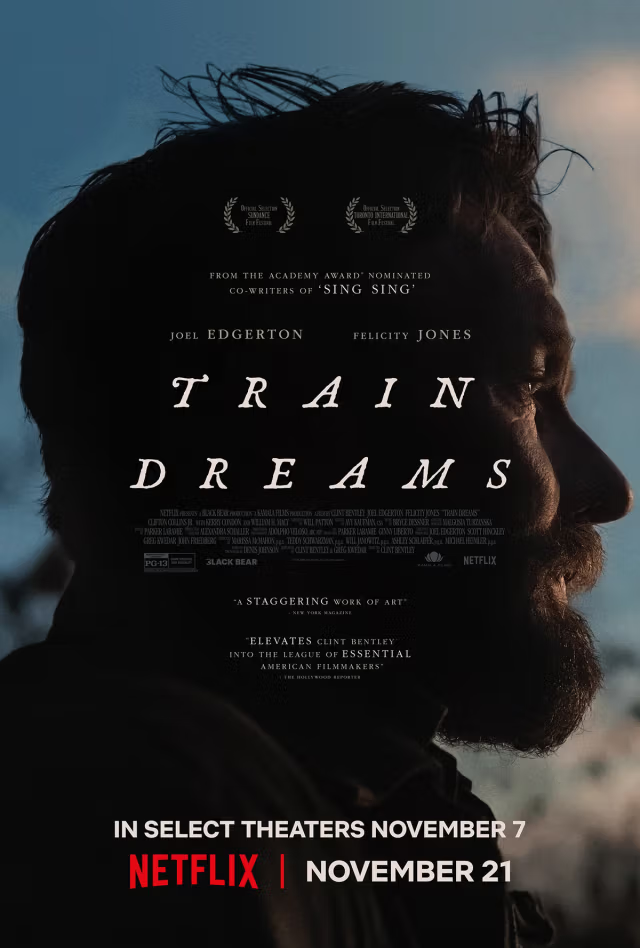
Finally! I thought as I watched it: a movie that renders the lushness, subtlety, and variety of the Northwest landscape in the right range of colors and hues. As soon as the movie ended, I looked up the cinematographer: 36-year-old Adolpho Veloso, a little-known Brazilian who had mostly done shorter films and videos before working with “Train Dreams” director Clint Bentley on an earlier movie, “Jockey.”
Maybe because he comes from a different country, Veloso manages to avoid what has long bothered me about movies set in the Northwest: the preference for darker, moodier, bleaker tones. Think of films like “Leave No Trace” or “Harry and the Hendersons” or, my God, the “Twilight” series. Yes, there are sunnier movies, and even sunnier scenes in these movies, but nothing I’ve watched has ever quite captured my experience of Northwest beauty—until now.
Maybe the key is Veloso’s choice to use 99% natural lighting. Or maybe it’s director Bentley’s decision to shoot everything on location.

“Because the sets were all built on location, we had flexibility,” Veloso told IndieWire’s Jim Hemphill. “We would plan something to be inside and then just look outside and say, ‘Oh my God, look at that. Something amazing is happening outside.’ Or if the scene is not working, go outside and see if that works better.”
It might have been something more technical too, like Veloso’s decision to use an ARRI Alexa 35 camera, which offers better results in low lighting. Or his use of a 3:2 aspect ratio. (Most movies you see today are shot in 2.39:1 or 1.85:1.)
It helps, of course, that the story is set in Idaho and eastern Washington rather than the rainier western side of the Cascades. And that it features quintessentially Northwest working-class subjects such as logging, railroad construction, and the tragic treatment of Chinese immigrants in the early part of the 20th century.
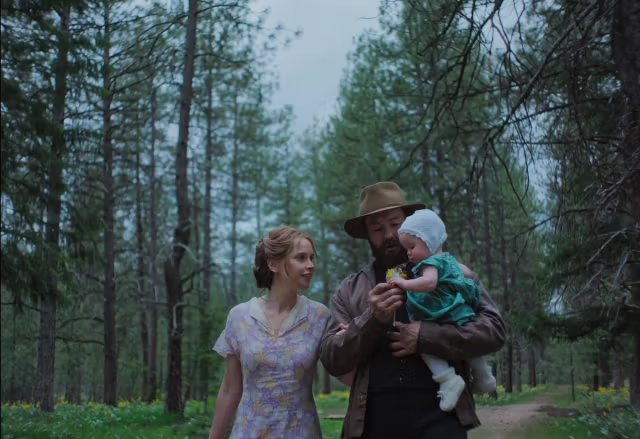
It’s a boon, too, that the film is based on a novella by one of the finest American writers of the latter half of the 20th century: National Book Award winner and two-time Pulitzer Prize finalist Denis Johnson.
Ultimately, though, it’s Veloso’s eye and filming choices (with an assist from director Bentley) that immerse us so totally in a world that, to my eye, looks more thoroughly, authentically Northwest than any I’ve seen on film before.
Other links:
Other Veloso interviews (videos and print) on filming “Train Dreams“
Good list of movies filmed in the Pacific Northwest
Thanks for honoring this beautiful film—and for the link to others!